
Blue Lagoon Snorkeling Bali: What to Expect Before You Go
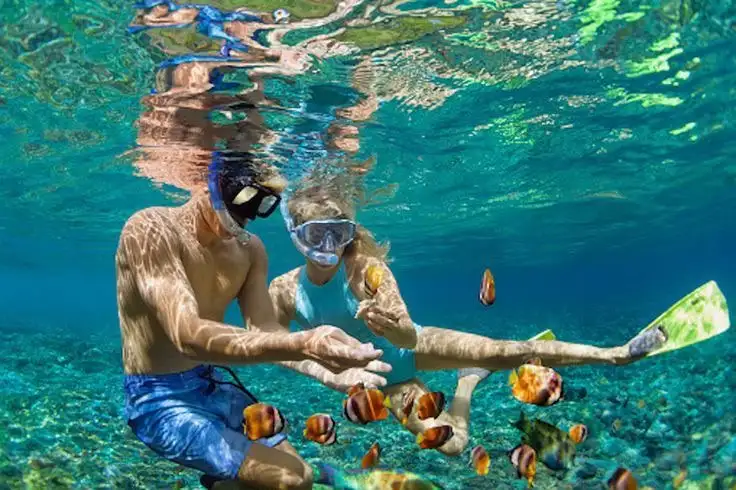
Blue Lagoon is one of the most popular snorkeling destinations on Bali’s east coast. Located near Padang Bai, this small bay is known for clear water, colorful coral, and tropical fish. It is a great choice for travelers who want to experience Bali’s underwater world without joining a long diving trip.
For first-time snorkelers, Blue Lagoon offers a comfortable introduction to marine life. More experienced guests can also enjoy the coral and underwater scenery. Before booking, it helps to understand how the trip works, what you may see, what to bring, and how to prepare.
Where Is Blue Lagoon Beach?
Blue Lagoon Beach is located close to Padang Bai, a coastal village in East Bali. Padang Bai is known as a harbor area, but its coastline also has several attractive snorkeling and diving locations.
The journey from Ubud, Kuta, Seminyak, Canggu, Jimbaran, or Nusa Dua usually begins with a morning hotel pick-up. Travel time depends on traffic and your starting point. A private transfer is convenient because it takes you directly to the activity base without arranging separate transportation.
After arriving, guests normally meet the local snorkeling team, receive equipment, and listen to a safety briefing before boarding a traditional boat.
What Is the Snorkeling Experience Like?
A typical Blue Lagoon snorkeling trip includes two locations: Blue Lagoon Beach and Tanjung Jepun. A traditional boat carries guests from the shore to each spot.
The snorkeling session usually lasts around two hours in total. The exact timing may vary depending on sea conditions and guest comfort. A local guide stays nearby to assist with equipment, point out marine life, and help guests feel comfortable in the water.
Blue Lagoon is known for coral gardens and colorful fish. Tanjung Jepun often has calmer water and a different underwater landscape, making the two locations a good combination.
After snorkeling, guests usually return to shower, change clothes, and enjoy lunch before traveling back to the hotel or continuing to another attraction.
Marine Life You May See
Depending on the season, visibility, and natural conditions, you may see clownfish, angelfish, butterflyfish, parrotfish, lionfish, moray eels, and smaller reef fish.
Coral formations also make the experience visually interesting. Some areas have shallow coral gardens, while others have deeper sections with changing colors and textures.
Marine-life sightings are never guaranteed. These animals live freely in their natural environment, so every visit can be different. A responsible guide will help you enjoy the reef without disturbing it.
Avoid touching coral, standing on the reef, chasing animals, or feeding fish. These simple actions help protect the underwater environment.
Is Blue Lagoon Suitable for Beginners?
Blue Lagoon is generally suitable for beginners when sea conditions are calm. Guests receive basic instructions before entering the water, including how to use the mask, snorkel, fins, and flotation equipment.
Tell the guide if you have never snorkeled before. The team can give you extra assistance and help you enter the water gradually.
You do not need to be an expert swimmer, but you should feel reasonably comfortable in the water. Children must be supervised by a parent or responsible adult.
Guests with serious heart, respiratory, mobility, or other medical conditions should consult a doctor and inform the activity provider before booking.
Best Time for Blue Lagoon Snorkeling
Morning is usually the preferred time for snorkeling at Blue Lagoon. The water is often calmer, the temperature is comfortable, and visibility may be better before wind and waves increase later in the day.
Many tours offer hotel pick-up between 7:30 AM and 9:00 AM. An earlier departure may also reduce traffic delays and leave more time for the rest of the itinerary.
Weather and sea conditions can change throughout the year. Rain, wind, waves, and visibility may affect the activity. Safety should remain the priority, and the operator may adjust the schedule or location when necessary.
What to Bring
Wear swimwear under your clothes so you can prepare quickly after arriving. Bring a towel, dry clothes, sunscreen, sunglasses, a hat, and personal medication.
A waterproof phone case or underwater camera can be useful, but secure your device properly. Reef-safe sunscreen is a better choice when available because it is more considerate of the marine environment.
Bring some cash for optional drinks, souvenir photos, tips, or personal purchases.
Safety Tips Before Entering the Water
Listen carefully to the guide’s briefing, even if you have snorkeled before. Each location has different water movement and safety procedures.
Check that your mask fits properly and test the snorkel and fins before moving away from the boat. If water enters your mask or you feel uncomfortable, signal the guide and remain calm.
Stay near the group and avoid swimming too far from the boat. If you become tired, use the flotation equipment or ask for help.
Avoid snorkeling after consuming alcohol and drink enough water before and after the activity.
Blue Lagoon and Tanjung Jepun
Although Blue Lagoon is the better-known name, many packages also include Tanjung Jepun. Visiting both locations creates a more complete experience because each spot offers different conditions and scenery.
Blue Lagoon often provides colorful coral and an active reef environment. Tanjung Jepun may offer calmer water and opportunities to observe different fish species.
The guide and boat captain will choose the safest entry points based on current conditions. The order of the locations may change when necessary.
Combine Snorkeling with Another Bali Attraction
Blue Lagoon can be enjoyed as a stand-alone activity with lunch and private transfer. It can also be combined with another destination for a full-day experience.
One popular option is Tegenungan Waterfall. After snorkeling and lunch, guests can continue to the waterfall to enjoy tropical scenery, take photographs, and relax before returning to the hotel.
Combining activities is useful for travelers with limited time, but the itinerary should still allow enough time for showering, lunch, transportation, and rest.
What Is Usually Included?
A well-organized package may include private hotel transfers, air-conditioned transportation, a local snorkeling guide, traditional boat transfers, snorkeling at two locations, equipment, lunch, mineral water, shower facilities, and local taxes.
Always check the exact inclusions before booking. Optional photos, additional drinks, personal shopping, and tips may not be included.
Knowing what is covered makes it easier to compare packages and avoid unexpected expenses.
Book Your Blue Lagoon Snorkeling Experience
Blue Lagoon is a great choice for travelers who want to discover Bali beyond temples and beaches. Clear water, coral reefs, tropical fish, traditional boat travel, and local guidance create an enjoyable half-day or full-day adventure.
With Bali Trip Awesome, you can enjoy a comfortable private transfer, guided snorkeling at Blue Lagoon and Tanjung Jepun, equipment, lunch, and personalized support throughout the journey.
Whether you are snorkeling for the first time or returning to the water, preparation makes the experience more relaxing. Bring the right items, follow the guide’s instructions, respect the reef, and enjoy one of Bali’s most beautiful underwater destinations.